What to do when a car key snaps in the lock
Stay calm and assess the break
A snapped car key is one of those moments that feels worse than it actually is. The lock cylinder or ignition switch has just become a puzzle, not a disaster. The first thing to do is nothing dramatic. If the key broke while the car was running, leave the engine on. If it broke in the door lock, do not force anything. Take a breath and look at what is left. The broken piece inside the lock might be visible or it might be flush with the opening. Knowing this determines your next move.
Do not force the broken piece out with tools you cannot control
Many people reach for tweezers, pliers, or a screwdriver right away. That is usually a mistake. The key blade inside a lock is under tension from the pins and springs. Prying or pulling at the wrong angle can push the fragment deeper or damage the lock cylinder itself. A damaged lock cylinder means a full replacement, which is far more expensive than dealing with a broken key. If the broken end sits flush or below the surface, stop. If a small part sticks out, you can try to grasp it gently with needle-nose pliers. Pull straight out, not at an angle. Do not twist. Car Key Replacement Toronto
Try lubrication and a gentle wiggle
If the key snapped because the lock felt stiff, the fragment may be stuck by friction, not by mechanical jamming. A small amount of graphite powder or a lock-safe lubricant sprayed into the keyway can help. Do not use oil-based products like WD-40 as a first choice. They collect dust and dirt over time, making things worse. After lubricating, insert a second key if you have one, or use a thin piece of stiff wire to nudge the broken piece while pulling gently. The goal is to work the fragment out without forcing it. If it does not move easily, stop.
Use a broken key extractor tool
A broken key extractor is a thin, barbed piece of metal that slides into the lock alongside the broken key. You push it in, twist slightly so the barbs catch the key, and pull. These tools are inexpensive and available at most hardware stores. They work best when the break is clean and the fragment is not jammed tight. The trick is patience. Insert the tool slowly, feel for the edge of the broken key, and engage the barbs before pulling. If you have never used one, watch a quick demonstration online before trying. A rushed attempt can snap the extractor inside the lock, creating a second problem.
Magnet method for some locks
If the broken piece is made of a ferrous metal, a strong neodymium magnet can sometimes pull it out. This works best when the fragment is not seated tightly and the lock opening is large enough to let the magnet get close. Place the magnet against the lock face and slide it around until you feel the tug. Then pull straight out. This method is less reliable on modern car keys that use a transponder or remote key shell, because the metal blade is often coated or mixed with non-magnetic alloys. Still, it is worth a try before moving to more invasive steps.
Call a mobile locksmith when home methods fail
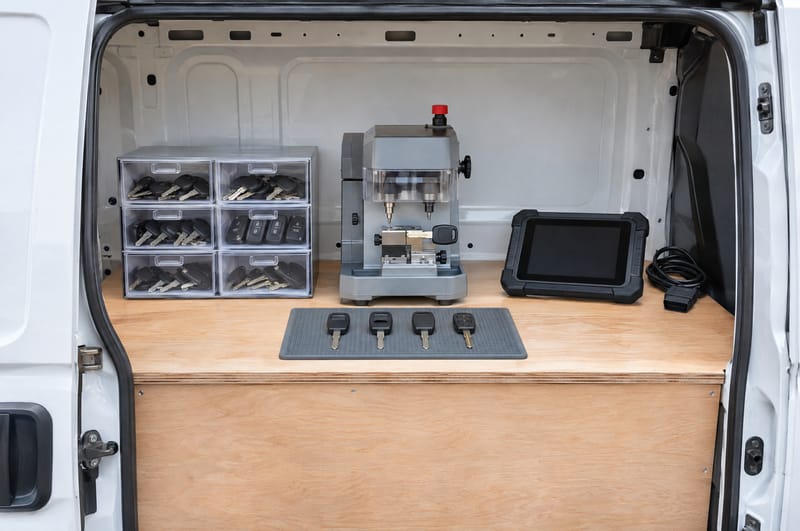
If none of the above steps work, it is time to call a professional. A mobile locksmith who specializes in car keys can extract the broken piece without damaging the lock. They carry tools designed for this exact situation, including fine pick sets and extraction kits that work on most lock cylinders and ignition switches. They can also cut and program a duplicate car key on the spot, so you are not left waiting. This is where the phrase Car Key Replacement Toronto comes in. If you are in the Toronto area, a mobile service can come to your location, extract the broken fragment, and make a new key while you wait. That saves you the hassle of towing the car to a shop or trying to remove the lock assembly yourself.
What to do once the fragment is out
After the broken piece is removed, inspect the lock cylinder for damage. Turn the lock with a spare key or a new key cut from the original code. If it turns smoothly, you are in good shape. If it feels rough or sticks at certain points, the cylinder may have internal damage from the break or from your extraction attempts. In that case, a locksmith can rekey or replace the cylinder. Do not ignore a rough lock. It will only get worse and could leave you stranded later.
Preventing future breaks
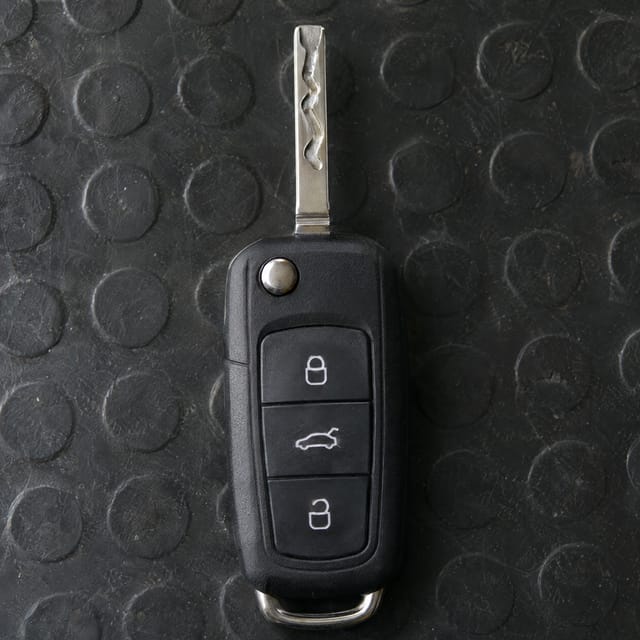
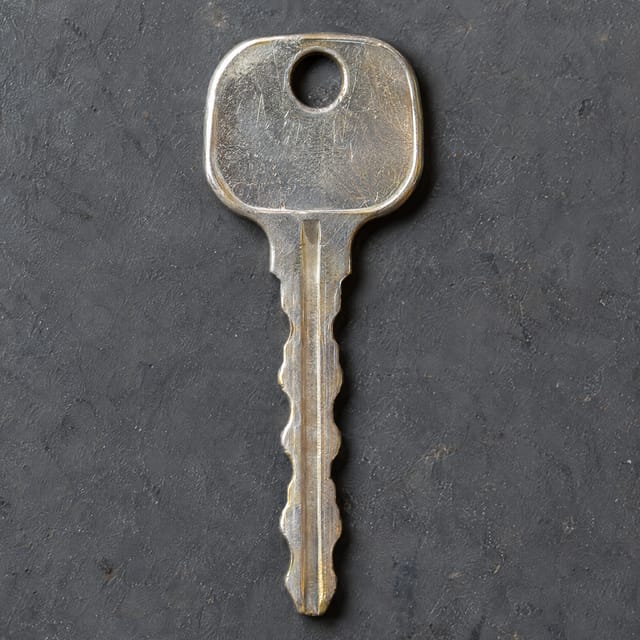
Car keys break for a few common reasons. The most frequent is wear. The key blade gradually becomes thinner at the point where it enters the lock. Over years of use, the metal fatigues and a small crack forms. The next time you turn the key with a little extra force, it snaps. Another cause is a stiff lock or ignition switch. If the key requires more than a gentle turn, the lock mechanism needs attention. Lubricating it regularly with a dry graphite lubricant reduces friction and stress on the key. A third cause is using the key as a tool. People use keys to open boxes, cut tape, or pry things. That puts side loads on the blade that it was never designed to handle. Treat your car key as a precision item, not a multi-tool.
Consider making a duplicate car key before you need one
The best time to get a duplicate car key is before anything breaks. Having a spare means a snapped key is an inconvenience, not a crisis. If your car uses a modern key with a transponder, remote, or smart key fob, the replacement process is more involved than cutting a metal blade. The electronics must be programmed to match your vehicle. That is why a service like Car Key Replacement Toronto is worth knowing about. A mobile technician can cut and program a new key at your car, so you never have to worry about being locked out or stranded. Keep one spare at home and one with a trusted person. It is a small step that saves a lot of hassle.
What not to do
Do not use superglue. Some people try to glue the broken piece back onto the key head. That almost never works. The glue seeps into the lock and bonds the fragment in place permanently. Do not use a drill unless you are prepared to replace the entire lock cylinder. Drilling can destroy the lock and damage the surrounding mechanism. Do not hammer anything into the keyway. That compacts debris and makes extraction harder. Do not ignore a key that feels like it is about to break. If you notice a crack or a bend, get a duplicate made before it snaps.
When to replace the lock versus just the key
After extraction, test the lock with a new key. If the lock still works smoothly, you only need a new key. If the lock feels rough, or if the broken key was stuck because the lock was already failing, replace the lock cylinder or the ignition switch. A locksmith can advise based on the specific make and model of your car. For older vehicles, replacement cylinders are often inexpensive and easy to install. For newer cars with integrated electronics, the decision may be more complex. A professional can tell you whether a simple key duplicate solves the problem or whether the lock itself needs attention.
Final thoughts
A snapped car key is frustrating, but it is rarely an emergency. With a little patience, the right tool, or a quick call to a mobile locksmith, you can be back on the road the same day. The important thing is to avoid rushing and causing more damage. And once the problem is solved, take the lesson: get a duplicate made before the next break happens. It is one of those small investments that pays off the moment you need it.